Creatine After 50: How It May Support Brain Energy & Memory
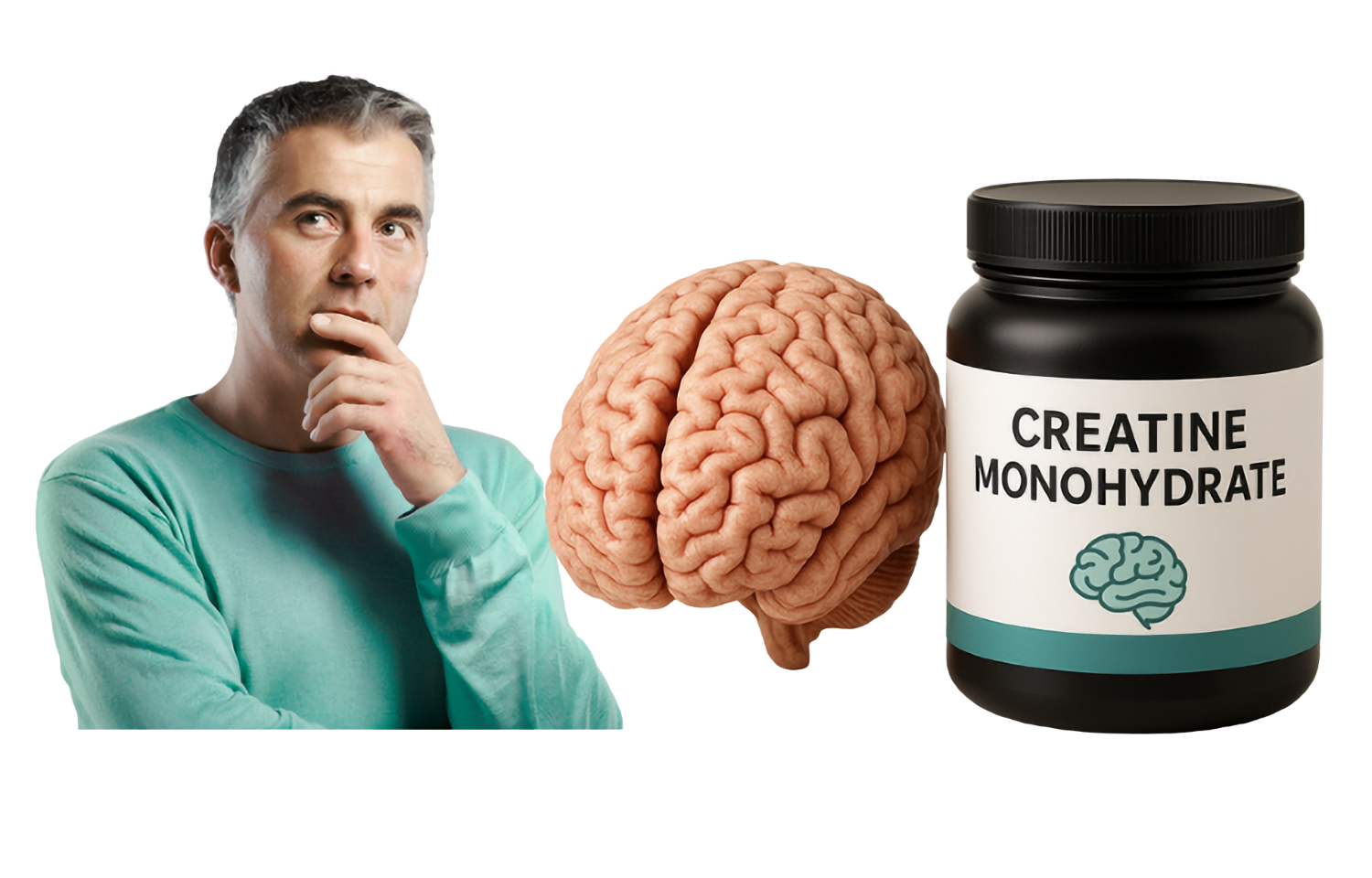
As we get older, looking after our brain health becomes just as important as keeping our bodies active. You might have heard of creatine as a popular supplement for gym-goers and athletes — but research now suggests it may also play a role in supporting brain energy, memory, and mental sharpness, especially after 50.
In this UK-focused guide, we’ll explore what creatine is, how it works, the science behind its potential benefits, and how to use it safely.
🧩 What Is Creatine?
Creatine is a naturally occurring compound made from amino acids, found in both your muscles and your brain. It helps your body produce ATP (adenosine triphosphate) — the main energy source your cells need to function.
We get some creatine from food, particularly red meat, cod, haddock, and salmon, which are staples in many UK diets. However, our bodies also make creatine in the liver and kidneys.
As we age, natural creatine levels tend to decline, which can affect both muscle strength and cognitive performance.
⚡ How Creatine May Support Brain Energy
Your brain uses a lot of energy — roughly 20% of your body’s total ATP. If ATP levels drop, you may feel mentally fatigued, struggle to concentrate, or notice occasional memory lapses.
Supplementing with creatine may:
- 🔋 Support mental energy — potentially reducing tiredness and “brain fog”
- 🧠 Help memory recall — especially during demanding cognitive tasks
- 🧩 Enhance problem-solving — keeping your thinking sharp
- 🛡️ Protect brain cells — by helping reduce oxidative stress linked to ageing
📚 What the Research Says
Recent research highlights creatine’s potential role in supporting brain health:
- Improved memory in older adults
A double-blind trial by McMorris et al. found that adults aged 60+ taking creatine performed better on memory and recall tasks compared to placebo.
View study → - Systematic review (2018)
A review in Experimental Gerontology concluded that creatine supplementation may improve short-term memory and reasoning in some individuals, although results vary.
View review → - Meta-analysis (2024)
A meta-analysis in Frontiers in Nutrition found that creatine supplementation may benefit memory, attention, and processing speed, though evidence for other cognitive functions remains limited.
View meta-analysis → - Mental fatigue study
Watanabe et al. (2002) showed that taking 8 g/day of creatine for 5 days reduced mental fatigue during repetitive, high-demand tasks.
View study →
These findings are promising, but experts agree that more UK-based research is needed to fully understand creatine’s role in brain health.
👵 Why Creatine Matters After 50
From around 50 onwards, the body’s ability to produce and store creatine naturally begins to decline. This can affect energy levels, both physically and mentally. Supplementing creatine may help:
- 🌟 Maintain mental clarity and focus
- 🧠 Support memory performance
- ⚡ Boost overall energy levels
✅ How to Take Creatine Safely
For most healthy adults, the typical daily amount used in studies is 3–5 grams of creatine monohydrate — roughly one level teaspoon.
Tips for safe use:
- 🏷️ Choose high-quality creatine monohydrate — it’s the most researched form
- ✔️ Look for Informed-Sport certification — ensures safety and purity
- 💧 Stay hydrated — creatine draws water into your cells
- ⏳ Be patient — benefits may take 1–2 weeks to notice
- 🩺 Speak to your GP or pharmacist before starting, especially if you have kidney concerns or take regular medication
🚫 Who Should Avoid Creatine
Creatine may not be suitable if you:
- Have chronic kidney disease
- Take medications affecting kidney function
- Are prone to severe dehydration
- Are under 18 years old
Always check with your GP before starting supplementation.
The Bottom Line
Creatine isn’t just for athletes — it’s becoming a well-researched supplement for supporting brain energy, memory, and cognitive performance after 50.
While more studies are needed, current research suggests creatine could be a safe and effective addition to a healthy lifestyle for many older adults in the UK.
Always choose high-quality supplements, stay hydrated, and speak to your GP before making changes to your routine.
📝 Key Takeaways
- 🧠 Creatine may support brain energy, focus, and memory
- ⏳ Natural levels decline with age, making supplementation worth considering after 50
- ⚖️ 3–5 grams per day of creatine monohydrate is commonly used in studies
- ✔️ Always choose Informed-Sport certified products for safety
- 🩺 Speak to your GP or pharmacist before starting any supplement
Disclaimer: This article is for informational purposes only and does not constitute medical advice. Always speak to your GP, pharmacist, or qualified healthcare provider before starting any supplement.